

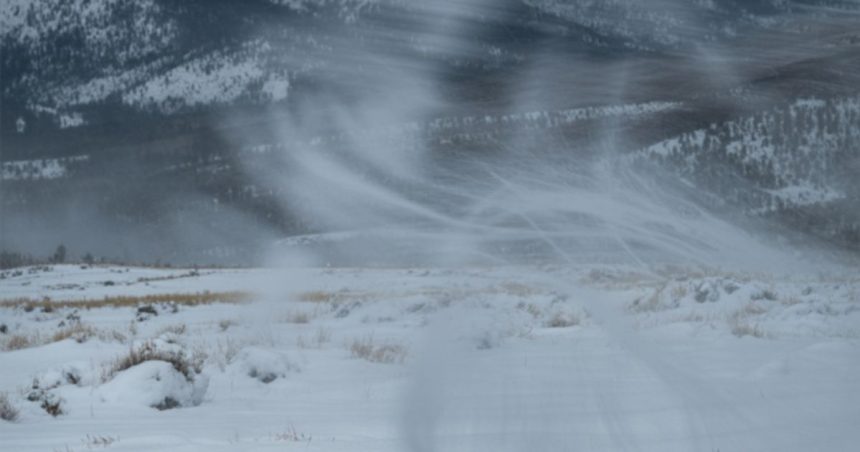
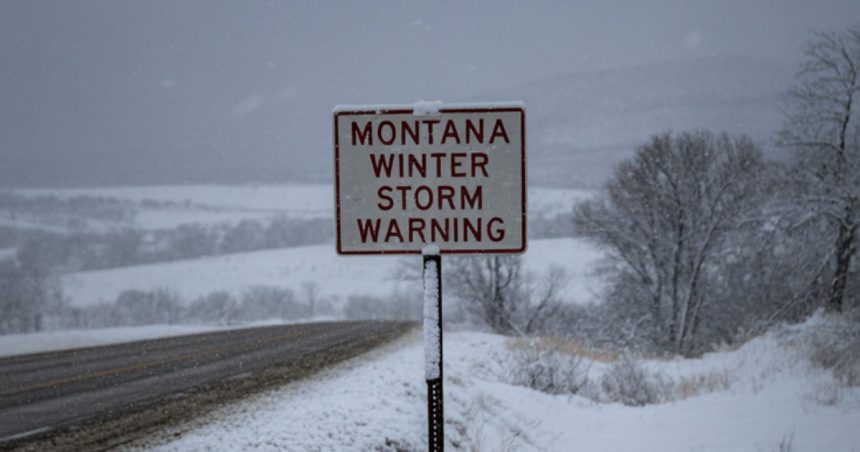
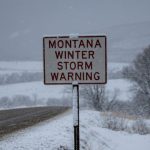
Introduction: Understanding the Urgency Behind a Montana Winter Storm Warning
Montana’s vast landscapes and rugged beauty are often matched by the power of its winters. When a Montana winter storm warning is issued, it’s more than just a weather update—it’s a serious alert that demands preparation and attention. In 2025, winter storms are growing increasingly unpredictable, making it vital for residents and travelers to understand what a warning means, how to stay safe, and what to expect.
This comprehensive guide covers everything you need to know about a Montana winter storm warning: from the science behind these warnings, to essential preparedness tips, impacts on travel, and community response. Let’s dive in and make sure you’re ready.
What is a Montana Winter Storm Warning?
A Montana winter storm warning is issued by the National Weather Service (NWS) when a significant winter weather event is imminent or already occurring. These events often include heavy snow, strong winds, freezing rain, or dangerous ice accumulation, creating hazardous conditions for the public.
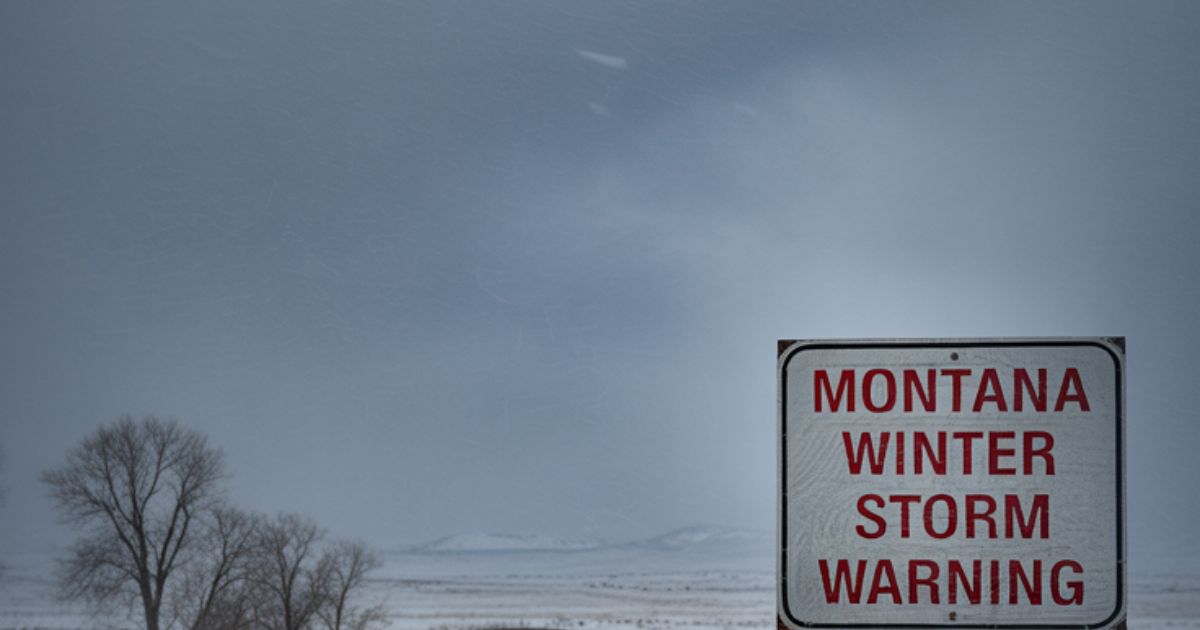
When you hear “winter storm warning,” it means:
- Dangerous travel conditions are expected.
- Power outages may occur.
- Life-threatening exposure risks due to cold and wind chill are possible.
A warning indicates that you should take immediate action to protect yourself and your family.
How a Winter Storm Warning Differs from a Watch or Advisory
It’s crucial to know the differences:
- Winter Storm Watch: Conditions are favorable for a storm but not guaranteed.
- Winter Weather Advisory: Less severe but still impactful weather is expected.
- Winter Storm Warning: Severe winter conditions are occurring or imminent.
A Montana winter storm warning means the threat is real and immediate—so preparations must not be delayed.
When is Montana Most at Risk for Winter Storm Warnings?
Montana’s winter season typically runs from late October to early April, but the peak period for a Montana winter storm warning is:
- November through February: Frequent snowstorms.
- December and January: Record-low temperatures and blizzards.
- Early spring (March): Heavy, wet snow with potential flooding.
Mountainous regions like the Rockies are particularly vulnerable due to altitude and temperature variations.
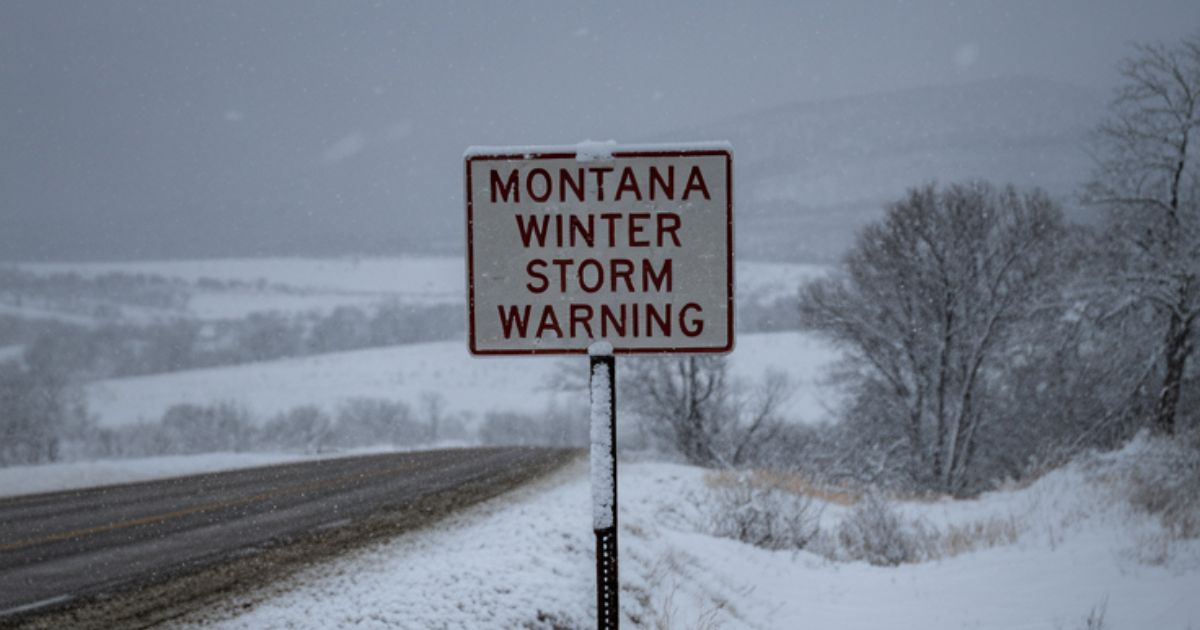
Common Weather Patterns Leading to a Montana Winter Storm Warning
Understanding why Montana often faces intense storms can help you anticipate them. Common patterns include:
- Arctic Air Masses: Frigid air sweeping down from Canada.
- Pacific Moisture: Bringing snow-laden storms inland.
- Rocky Mountain Convergence: Geography intensifies storm activity.
Meteorologists constantly monitor these factors to issue timely Montana winter storm warnings.
Immediate Steps to Take When a Montana Winter Storm Warning is Issued
If you hear a Montana winter storm warning, act fast:
-
Stay Informed: Follow local news, weather apps, and NWS alerts.
-
Stock Essentials: Food, water, medications, and emergency supplies for at least 72 hours.
-
Prepare Your Home: Insulate pipes, ensure heaters work, seal windows.
-
Check Vehicles: Full gas tank, winter tires, emergency kits.
-
Plan for Power Outages: Have flashlights, batteries, and backup chargers ready.
Timely action could be life-saving during a severe Montana winter storm warning.
Essential Emergency Kit for a Montana Winter Storm
Your winter storm emergency kit should include:
- Battery-powered radio
- Extra blankets and warm clothing
- Non-perishable food and bottled water
- First aid supplies
- Backup power banks
- Snow shovels and sand/salt for traction
- Generator (if available)
Keeping an updated kit ensures you’re ready when a Montana winter storm warning strikes.
Impact of a Montana Winter Storm Warning on Travel
Montana’s highways, rural roads, and mountain passes are often hit hard:
- Road Closures: Blizzards and drifts can block entire highways.
- Flight Delays: Airports like Billings Logan International and Bozeman Yellowstone face cancellations.
Reduced Visibility: Whiteout conditions make driving perilous.
When a Montana winter storm warning is active, authorities strongly recommend postponing non-essential travel.
Protecting Livestock and Pets During a Montana Winter Storm
Montana’s ranchers know too well that a Montana winter storm warning also endangers livestock. Key precautions:
- Shelter animals indoors or create windbreaks.
- Provide extra bedding and food.
- Ensure access to unfrozen water.
- Check on livestock frequently during the storm.
Pets should always be brought indoors during extreme cold and snow events.
How Montana Communities Prepare for Winter Storm Warnings
Local governments and communities have robust plans for each Montana winter storm warning:
- Pre-treating roads with salt brine
- Opening warming shelters for vulnerable populations
- Organizing volunteer groups to assist seniors
- Issuing emergency notifications through local apps
Community readiness saves lives and reduces storm-related injuries during severe Montana winters.
Historic Montana Winter Storms: Lessons Learned
Some of the most severe winters have shaped Montana’s approach to storm warnings:
- 1949 Blizzard: Entire towns isolated, leading to better snow management.
- 2011 Snowpocalypse: Triggered major upgrades to emergency systems.
- 2018 February Storms: Brought attention to rural vulnerabilities.
Every Montana winter storm warning today benefits from decades of learned experience.
Climate Change and Montana Winter Storms in 2025
Experts believe climate change is making Montana’s winters:
- More extreme: Colder cold snaps, heavier snowfalls.
- Less predictable: Sudden temperature swings.
- Longer-lasting: Winters now extend well into April.
Thus, a Montana winter storm warning today may carry even greater urgency than in past decades.
Frequently Asked Questions (FAQs) About Montana Winter Storm Warnings
Q: How much snow triggers a Montana winter storm warning?
A: Typically, 6+ inches in 12 hours or 8+ inches in 24 hours can trigger a warning.
Q: What’s the difference between a blizzard warning and a winter storm warning?
A: A blizzard warning specifically includes sustained winds over 35 mph and visibility near zero for hours.
Q: Can a winter storm warning be downgraded?
A: Yes, forecasts can change if the storm weakens, though it’s safer to prepare for the worst.
Q: Is it safe to drive during a Montana winter storm warning?
A: Authorities recommend staying off roads unless absolutely necessary.
Q: How often does Montana get winter storm warnings?
A: Major cities see multiple warnings each winter; mountainous areas even more.
Final Thoughts: Stay Alert, Stay Safe During Montana Winter Storm Warnings
A Montana winter storm warning is serious business. It’s not just another cold day—it’s a signal that conditions may quickly become life-threatening.
By staying informed, preparing properly, and respecting official warnings, you can protect yourself, your family, and your community.
As unpredictable weather becomes more common, Montana’s resilient spirit will continue to shine through—but preparation is key.
When the next Montana winter storm warning comes, you won’t just be ready—you’ll be ahead of the storm.

