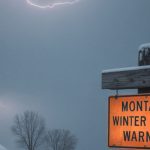


Introduction: Why You Must Take Every Winter Storm Warning in Montana Seriously
When a winter storm warning Montana alert is issued, it’s not just another chilly day — it’s a critical notice that could impact your safety, travel, health, and home.
In 2025, winters in Montana are more unpredictable and severe due to shifting climate patterns. Understanding what a winter storm warning means and how to respond could be lifesaving.
This guide covers everything you need to know about a winter storm warning Montana: the meaning behind it, preparation strategies, survival tips, and real-time responses. Whether you’re a local or a visitor, being informed ensures you’re always one step ahead of nature.

What Exactly Does a Winter Storm Warning Mean for Montana?
The National Weather Service (NWS) issues a winter storm warning Montana when severe winter conditions — such as heavy snowfall, strong winds, or icy roads — are either happening or expected within 12–24 hours.
A winter storm warning Montana indicates:
- Heavy snowfalls, typically 6 inches or more.
- Blizzard conditions, with visibility less than ¼ mile.
- Icy accumulations dangerous for travel and power lines.
- Freezing temperatures leading to frostbite or hypothermia risks.
When a warning is issued, it’s a direct call to action: stay indoors, avoid travel, and prepare for potentially hazardous conditions.
Difference Between Winter Storm Warning, Watch, and Advisory
Many confuse these alerts. Here’s the breakdown:
- Winter Weather Advisory: Expected but not life-threatening weather.
Winter Storm Watch: Severe conditions possible, but not yet confirmed. - Winter Storm Warning: Severe, dangerous winter weather is happening or imminent.
When it’s a winter storm warning Montana, it’s time to act fast — not later.
Peak Seasons for Winter Storm Warnings in Montana
While snow can fall as early as September and as late as May, the winter storm warning Montana season mainly peaks between:
- Mid-November to Late March
- December and January: Highest storm frequency
- February: Extreme cold and storm combinations
High-risk zones include:
- Rocky Mountain Front
- Great Falls Region
Missoula and Bozeman - Eastern Montana Plains
Meteorological Conditions That Cause a Winter Storm Warning in Montana
Several weather phenomena often trigger a winter storm warning Montana:
- Polar vortex shifts bringing Arctic blasts.
- Pacific moisture streams fueling heavy snowfalls.
- Low-pressure systems causing blizzards.
Geographical features like mountains and valleys often intensify these storms, making Montana’s winter storms uniquely severe.

Immediate Actions to Take During a Winter Storm Warning Montana
Once a winter storm warning Montana is issued, take these urgent steps:
-
Stay Updated: Follow NWS alerts and local news.
-
Stock Emergency Supplies: Food, water, flashlights, and batteries for at least 72 hours.
-
Check Your Heating Systems: Furnaces, fireplaces, and backup heaters must be operational.
-
Secure Your Home: Insulate pipes, caulk drafts, and ensure roof stability.
-
Prepare Your Car: Full gas tank, winter tires, chains, and an emergency kit.
Taking action immediately can dramatically reduce the risks associated with winter storms.
How to Build a Perfect Emergency Kit for Montana Winter Storms
Your winter storm warning Montana survival kit should include:
- 3+ days’ supply of food and water
- Warm clothing layers and thermal blankets
- Portable phone chargers
- NOAA weather radio
- Medications and first aid kit
- Snow shovel, ice scraper, and rock salt
- Backup power generator if possible
Every Montana household should maintain a ready-to-go winter emergency kit.
Impact of a Montana Winter Storm Warning on Transportation
When the winter storm warning Montana alert goes out, transportation grinds to a halt:
- Interstate closures: I-90, I-15, and I-94 frequently shut down.
- Airport delays: Billings, Bozeman, and Missoula airports experience heavy disruptions.
- Public transit suspension: Buses and trains may halt operations.
Authorities usually urge all non-essential travel to cease immediately.
Protecting Livestock and Pets During a Winter Storm Warning Montana
Montana’s rural communities must take special precautions for animals:
- Build wind shelters for livestock.
- Stockpile feed accessible even during heavy snow.
- Heat barns or animal shelters if possible.
- Bring all pets indoors before the storm hits.
Animal welfare during a winter storm warning Montana is as critical as human safety.
Historic Montana Winter Storms That Shaped Today’s Warnings
Several brutal winters taught hard lessons:
- Winter of 1936: Record snowfalls and -50°F temperatures.
- 1949 Blizzard: Isolated communities for weeks.
- 2010-2011 Winter: Multiple winter storm warnings led to historic snowpack and flooding.
- 2023 Storm Cycle: Prolonged subzero temperatures tested emergency systems statewide.
Each disaster brought improvements in how Montana issues and responds to winter storm warnings today.
Community Responses to Winter Storm Warning Montana
During every winter storm warning Montana, communities show incredible resilience:
- Warming shelters open for the homeless and those without power.
- Mutual aid groups offer rides, food deliveries, and check-ins.
- City services deploy snowplows 24/7.
- Schools switch to remote learning during severe conditions.
Montanans understand that facing winter storms is a team effort.
Winter Storm Warning Montana and Climate Change Trends
Climate experts note that in 2025:
- Snowfall amounts are increasing, but so are winter warm spells.
- Storms are becoming more intense, dropping heavier snow over shorter periods.
- Flooding after storms due to rapid thaws is now a new risk.
This makes understanding and responding to every winter storm warning Montana even more critical.
Frequently Asked Questions (FAQs) About Winter Storm Warning Montana
Q: What triggers a winter storm warning in Montana?
A: Heavy snow of 6+ inches, winds over 35 mph, freezing rain, and dangerous wind chills.
Q: How long do winter storm warnings typically last?
A: Anywhere from 12 to 48 hours depending on storm severity.
Q: Should I evacuate during a Montana winter storm warning?
A: Generally no — it’s safer to shelter in place unless authorities instruct otherwise.
Q: Can I drive during a winter storm warning?
A: It’s strongly discouraged unless absolutely necessary.
Q: How can I find real-time updates?
A: Use the NWS website, local news apps, and weather radio for constant updates.

Conclusion: Stay Ahead of the Storm with Winter Storm Warning Montana Preparedness
The rugged beauty of Montana winters comes with real hazards. A winter storm warning Montana isn’t just a forecast — it’s a call to action. Preparation, awareness, and community solidarity are your best defense against nature’s toughest tests.
Stay informed. Stay safe. And always respect the power of a Montana winter storm.
When the next winter storm warning Montana strikes, you’ll be ready — not surprised.